.png)
What We Do
Location
123 Business Street, Suite 456
New York, NY 10001, USA
Contact us
Follow Me


Individuals, including self-employed individuals, business owners, investors, and others, must generally pay quarterly estimated taxes if they expect to owe $1,000 or more in federal taxes for the year and their withholding and credits won't cover their full tax liability. Corporations must make estimated payments if they expect to owe $500 or more.
The IRS wants Individuals, including sole proprietors, partners, and S corporation shareholders, generally have to make estimated tax payments if they expect to owe tax of $1,000 or more when their return is filed.
Corporations generally have to make estimated tax payments if they expect to owe tax of $500 or more when their return is filed.
People and businesses often need to make quarterly estimated payments on income not subject to standard tax withholding, such as:
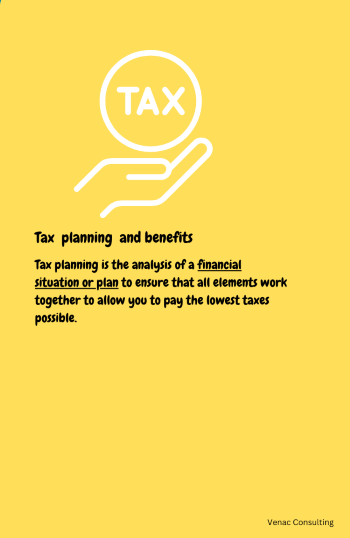
Generally, to avoid an underpayment penalty, you must pay enough tax throughout the year to cover either:
For higher-income taxpayers (those with an Adjusted Gross Income over $150,000, or $75,000 if married filing separately), the prior-year liability threshold increases to 110%.
Our tax advisors can help you. As an IRS approved e-File provider, we can submit your estimated taxes using the Electronic Federal Tax Payment System (EFTPS), which is the easiest way for individuals as well as businesses to pay federal taxes.
Yes, the IRS imposes a penalty for the underpayment of estimated taxes if you do not pay enough tax throughout the year through withholding or quarterly estimated tax payments. This penalty is essentially an interest charge for the use of money that should have been paid to the U.S. Treasury earlier.
Penalty Details
More than 98% customer satisfaction is our success in tax and business strategies.


The expertise and dedication of this team have been game-changers for our business. Highly recommended! Outstanding service! Their innovative approach helped us achieve measurable success in record time

From start to finish, the team provided unparalleled support. They truly understood our needs and delivered results that surpassed our expectations.

The team at exceeded our expectations with their strategic insights and innovative solutions. Their professionalism and dedication to our success were truly remarkable.

Thanks to Abraham at Venac Consulting, we streamlined our operations and achieved our growth goals. Their hands-on approach and expertise made a real difference for our business

From day one, Venac Consulting demonstrated professionalism and a genuine commitment to our success. Their innovative approach helped us reach new heights



.png)

.png)